When analyzing the ongoing assault on Gaza, it is imperative to begin not with slogans or opinion, but with the clear and unequivocal framework of international law. The UN Genocide Convention of 1948, to which nearly every nation on Earth is a party—including Israel and the United States—defines genocide as:
“Any of the following acts committed with intent to destroy, in whole or in part, a national, ethnical, racial or religious group, as such:
(a) Killing members of the group;
(b) Causing serious bodily or mental harm to members of the group;
(c) Deliberately inflicting on the group conditions of life calculated to bring about its physical destruction in whole or in part;
(d) Imposing measures intended to prevent births within the group;
(e) Forcibly transferring children of the group to another group.”
The question is not whether the actions in Gaza resemble genocide in a rhetorical sense. The question is whether these actions—mass killing, destruction of infrastructure, deprivation of food, water, and medical care, and dehumanizing language from state officials—fit the legal criteria.
The evidence is overwhelming that they do.
Since October 7, 2023, the Israeli military has launched what is effectively a sustained campaign of carpet bombing, leveling entire neighborhoods, obliterating hospitals, schools, water treatment facilities, bakeries, marketplaces, and places of worship. This has continued for 18 months as of April 2025.
A common and deeply misleading counterargument goes something like: “If it were really genocide, they would have just carpet-bombed Gaza in a single day.”
This reflects a profound misunderstanding of both genocide and military violence.
Genocide does not require suddenness.
It does not require millions of deaths.
The Rwandan genocide lasted about 100 days. The genocide against Indigenous peoples in North America took centuries. The Nazi genocide began with years of dehumanization, legal exclusion, and forced displacement—long before the death camps.
What matters is intent, and the patterns of behavior over time.
Israeli officials have issued dozens of explicit statements expressing genocidal intent—referring to Palestinians as “human animals,” calling for the complete “erasure” of Gaza, and insisting that “no one in Gaza is innocent.” When such rhetoric is followed by mass killing, mass displacement, engineered famine, and the systematic destruction of all life-sustaining infrastructure, the legal and moral implications are undeniable.
Let us also consider the scale: as of early April 2025, over 50,000 Palestinians have been killed, most of them women and children. Over 115,000 more have been injured. Tens of thousands are permanently maimed. Over 1.9 million people—nearly the entire population of Gaza—have been displaced into uninhabitable zones with little to no access to clean water, food, medicine, or shelter.
Famine is now widespread, with children starving to death in hospitals while food convoys are systematically blocked or bombed. This is not collateral damage. This is deliberate, organized destruction of a people.
These observations are not isolated. Amnesty International has concluded that Israel is committing genocide against Palestinians in Gaza, stating:
“Amnesty International’s report demonstrates that Israel has carried out acts prohibited under the Genocide Convention, with the specific intent to destroy Palestinians in Gaza.”
The UN Special Rapporteur on the situation of human rights in the Palestinian territories occupied since 1967, Francesca Albanese, reported to the Human Rights Council:
“There are reasonable grounds to believe the threshold indicating Israel’s commission of genocide is met.”
Furthermore, the International Court of Justice (ICJ), in response to a case brought by South Africa, indicated provisional measures, acknowledging:
“The Court is acutely aware of the extent of the human tragedy that is unfolding in the region and is deeply concerned about the continuing loss of life and human suffering.”
In any other context—if another country carried out such actions—there would be no hesitation in calling it genocide. But because this is being carried out by a U.S.-backed ally, many in the intellectual and media classes twist themselves into knots to avoid the term—preferring euphemisms like “tragic conflict” or “war between two sides.”
This moral evasion must end. We have a responsibility to speak clearly and act decisively. The Genocide Convention obligates its signatories not only to avoid committing genocide but to prevent it. That means stopping arms shipments, withdrawing diplomatic cover, and holding perpetrators accountable, no matter how politically inconvenient.
To call this genocide is not hyperbole. It is a factual, legal, and moral assessment. And to remain silent—or to downplay it under false arguments about speed or scale—is to be complicit.
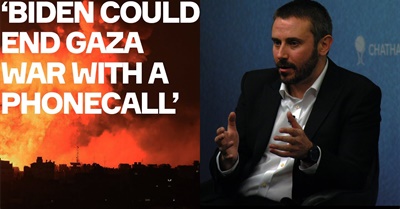
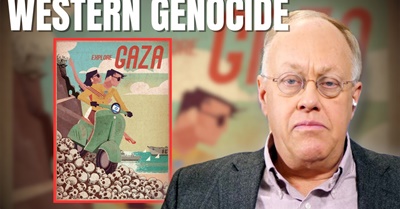
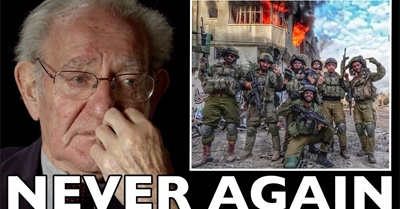
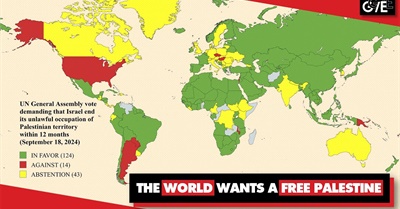
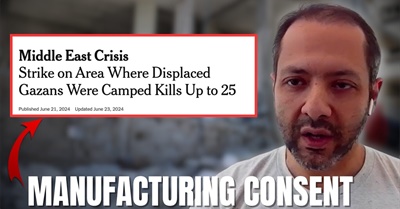
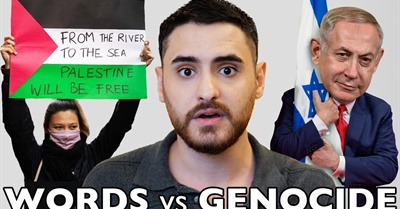
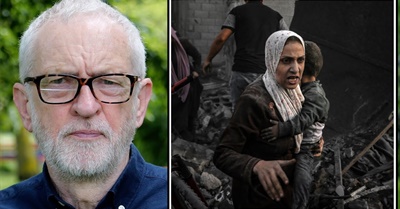
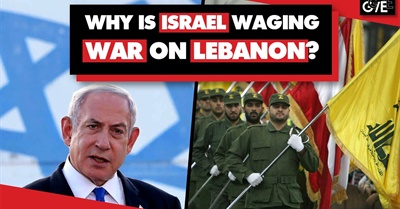
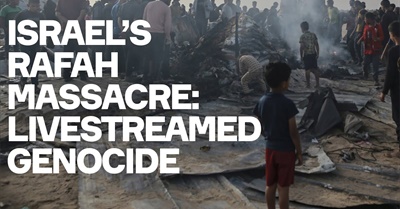
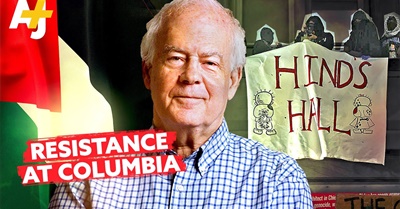
Here is just some of the media documenting the evidence:
 6 min
6 min
|
|
 30 min
|
|
 81 min
|
|
 10 min
|
|
 79 min
|
|
 40 min
|
|
 18 min
|
|
 5 min
5 min
|
|
 102 min
|
|
 7 min
7 min
|
|
 33 min
|
|
 12 min
|
|
 27 min
|
|
 25 min
|
|
 44 min
|
|
 7 min
7 min
|
|
 13 min
|
|
 3 min
3 min
|
|
 19 min
|
|
 11 min
|
|
 10 min
|
|
 13 min
|
|
 30 min
|
|
 5 min
5 min
|
|
 28 min
|
|
 29 min
|
|
 16 min
|
|
 7 min
7 min
|
|
 14 min
|
|
 14 min
|
|
 135 min
|
|
 43 min
|
|
 14 min
|
|
 14 min
|
|
 13 min
|
|
 25 min
|
|
 26 min
|
|
BECOME A PATRON
For $5/mo or $51/year, dive deeper with 50 exclusive films hand-picked to empower your activism.
Subscribe here.