Close Streets. Build Homes. Fund Co-ops. Green the City. Share Tools. Build Saunas.
Now that Mamani is the mayor of NYC, what can he do? His major policy items—free busses, free universal child care, building more affordable housing—all require the approval of the (somewhat hostile) state legislature and the (very hostile) governor. Obviously, this shouldn't stop him from trying, and in the best case scenario—through a combination of grassroots organizing and savvy political maneuvering—he can successfully apply pressure to get his way, or at least make it easier to oust uncooperative politicians like Hochul in 2026.
But just fighting with the state's political elites won't be enough for voters. My rule of incumbency is this: quality of life must improve while you're in power or you'll get replaced. So what IS within the mayor's power that can meaningfully and visibly improve quality of life for New Yorkers?
Here are my proposals for how Mamdani can pursue his agenda given the constraints he will face:
Permanently close select roads
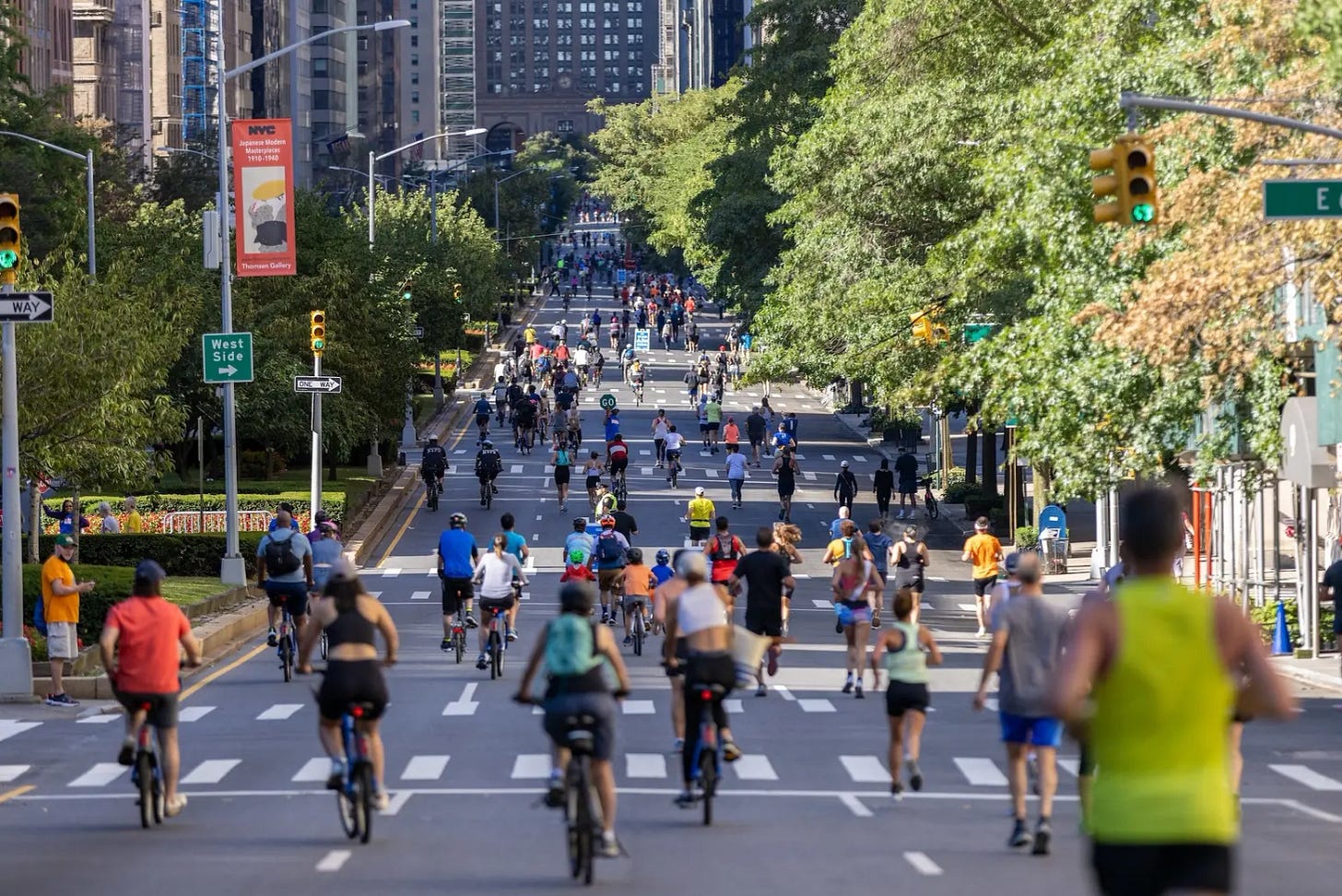
The mayor may not control the busses, but he does control the roads. And he has the legal right to close them if doing so "will further the health, safety, pedestrian or vehicular circulation, housing, economic development or general welfare of the city."
That's not a hard case to make. The city's 6,000 miles of vehicle-laden roads are a non-stop source of toxic fumes and life-shortening noise, in addition to being wildly inefficient: a vehicle travel lane moves 1,440 people per hour vs 5,200 people per hour for a bike lane. Closing car-choked roads to vehicle traffic and opening them up to bikes and pedestrians would be a huge win for New York mobility, accomplishing much of what Mamdani hopes to do with his bus proposal. And it would also be a boon to rickshaw operators and other transportation entrepreneurs who can help move people safely and sustainably.
There are other benefits too, of course.
Transportation on foot and by bike is exponentially more energy efficient than by car, and New York City uses far too much energy. The city has set a goal of reducing greenhouse gas emissions by 80% by 2050, and transportation is the second biggest category of emissions. A significant shift to bikes and walking would be a major step towards achieving the city's emissions goal, while also improving quality of life for residents.
There's another way this would save energy, as well: cars and their infrastructure increase ground-level temperatures, upping the demand for air conditioning in shops and homes, while making summer walks a miserable slog. It's far easier to soften and beautify the streetscape with cooling, ecologically restorative landscaping when you don't have to accommodate the infrastructural demands of cars and trucks. And such improvements will only become more vital to health and safety as climate change bakes the city.
Build Housing While Transforming the City
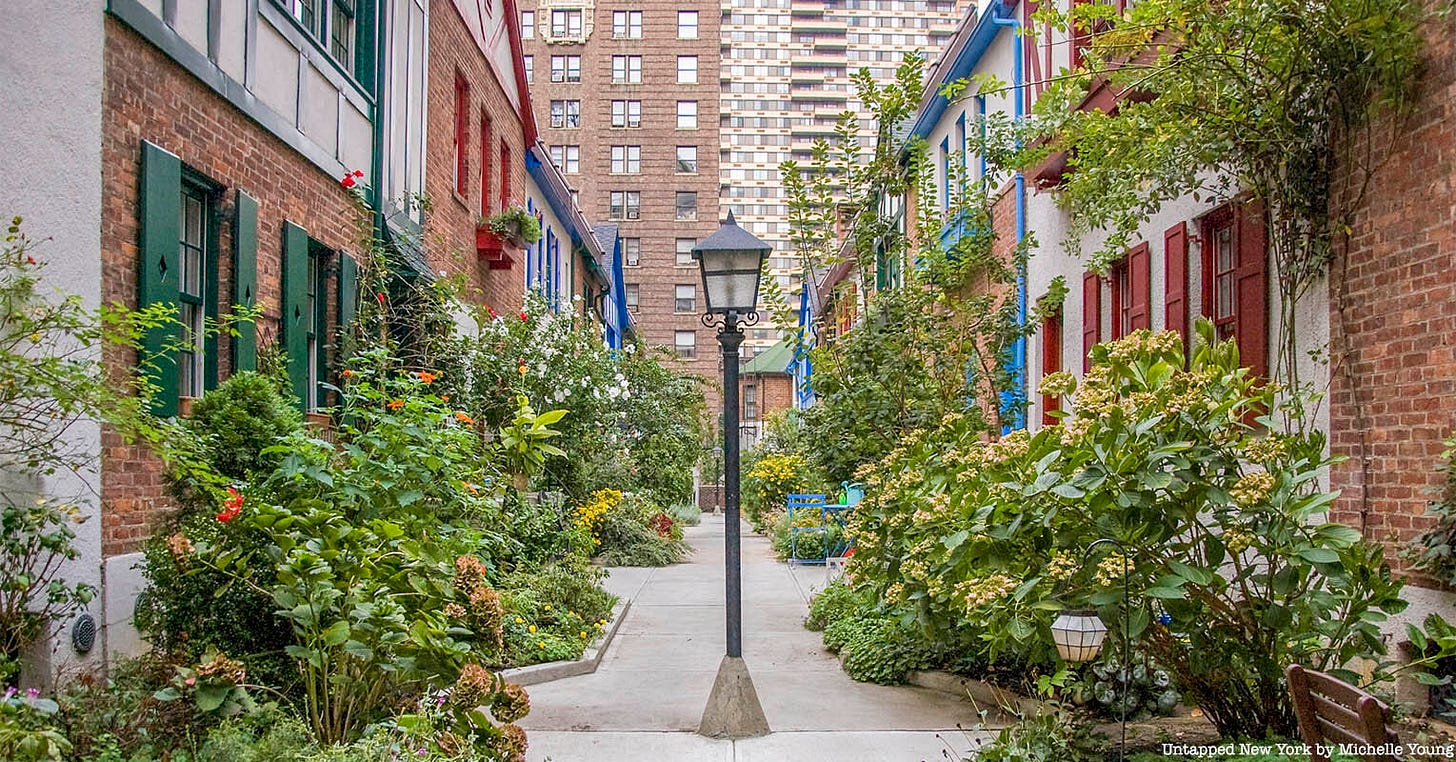 Pomander Walk on NYC’s Upper West Side, a model for the whole city
Speaking of closing roads, many of NYC's roads are so wide—veritable highways in the midst of a dense city—that they should transition to another use entirely: housing. That's right, New York should build housing right down the middle of its roads.
Most arteries in New York are 50-70ft wide—wider than many Brooklyn brownstones and West Village townhouses—with an additional 10-20ft on either side for sidewalks; side streets are generally 30 feet wide (the same width as the houses on Pomander Walk pictured above). Building housing down the middle of those streets would simply make NYC more like the European cities that American flock to every summer, where narrow car-free streets are the norm in historic cores. Taking this approach, especially within a half-mile of subway stops, would begin reshaping the city into a more ecological, human-scale metropolis of villages.
Financially, this approach would solve the problem of land acquisition for development, thus significantly reducing the cost of new construction. And the way the housing itself is built can offer similar cost savings, as well as social, economic, and ecological benefits.
By starting a Natural Building Corps modeled on the famous stonemasonry apprenticeship program at the Cathedral of St John the Divine, New York can create a homegrown workforce capable of cost-effectively building beautiful, long-lasting homes from local material. Lumber, straw bales, and Catskill bluestone can be brought down the Hudson for construction, some of it sourced from NYC's own vast upstate landholdings (this would be a great opportunity to rid the city's 140,800 acres of invasive Black Locust, a naturally rot resistant tree species prized for construction.)
While all of this might sound utopian, consider this 8-unit, natural social housing complex built in Palma de Mallorca by only 4 construction workers. Eschewing the high tech LEED-certified approach, this beautiful structure is made from reclaimed wood, local stone, and local dried seagrass. Despite the punishing heat in Palma, the natural materials and passive design mean this building requires far less energy than most housing, and it's vastly more beautiful, too. There's no reason why we can't do the same in NYC (Oh you're worried about cost? Total price tag for this project: $1.2 million, or $150,000 per unit.)
Child Care Cooperatives
Mamdani's $5-7 billion free childcare program faces an uphill battle in Albany, with some Trump administration complications thrown in for good measure. It's a battle worth fighting, but it might require a long-shot primary upset of the governor to get it done.
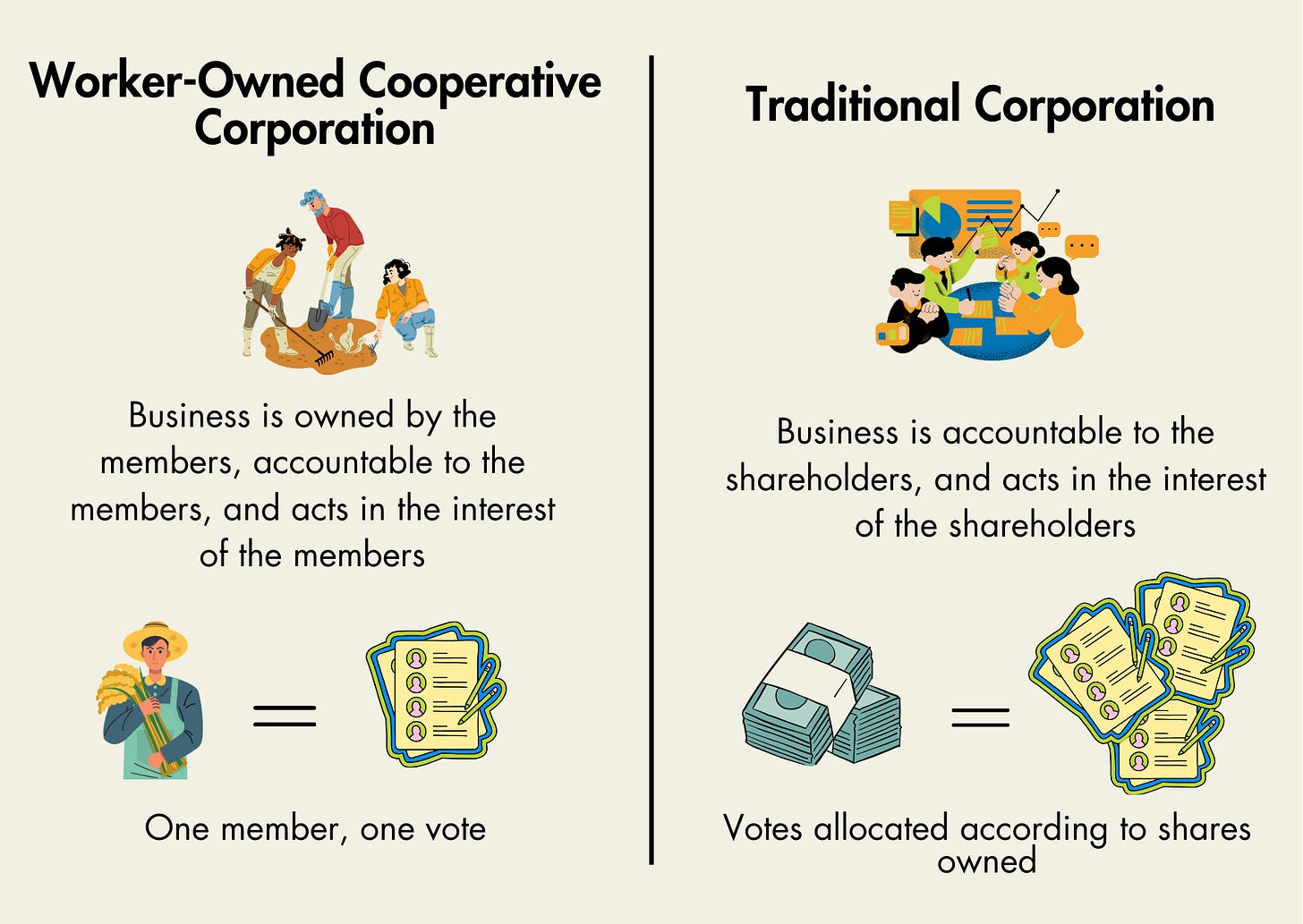
So what can the mayor do in the meantime? He can help launch a constellation of worker-owned child care cooperatives. This will help make child care better for kids, parents, and workers in the near-term, while setting up the cooperative economy to benefit when state funds do start flowing for a universal program.
And there no need to start from scratch. The city already funds the Worker Cooperative Business Development Initiative for $1.2 million per year, and the NYC Network of Worker Cooperatives has the technical expertise to dramatically expand the effort. Substantial additional funding would be a game-changer, and existing childcare worker cooperatives, like Bright Learning Stars, can be used as a model. All the ingredients are there to quickly bring greater equity and justice to NYC child care, even without Albany's help.
Tool Libraries
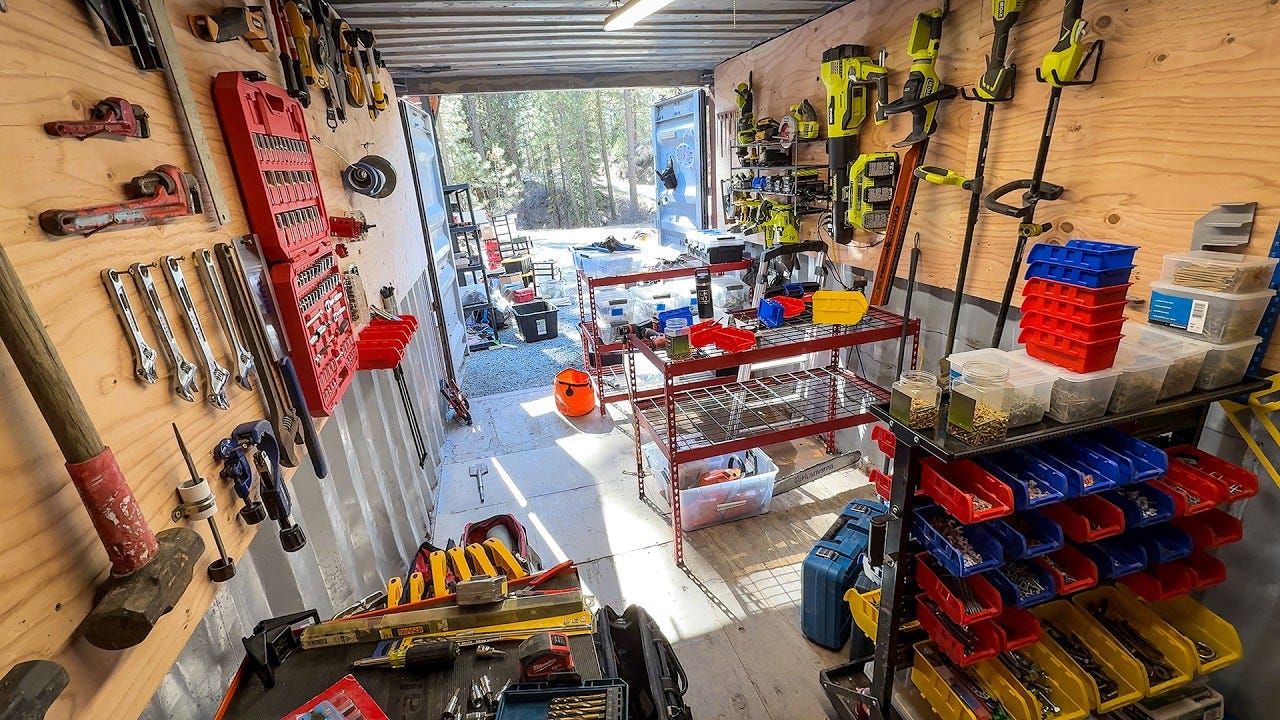
Mamdani has already committed to rolling back Eric Adam's disastrous library budget cuts. But we need to be expanding public goods, not just preserving them. To that end, the library system should add tool libraries throughout the city.
These needn't be anything elaborate, and they can run on the same borrowing infrastructure as the existing library system. Just drop modified shipping containers into city-owned vacant lots and fill them with tools. Voila: tool libraries, in a space-constrained city where owning many tools is impractical but the need for them exists nonetheless.
Again, there are plenty of models to work from. For a modest amount of money, New Yorkers can get a highly visible quality of life improvement that's innovative and equitable. That's socialism in action, baby!
Beautify The City
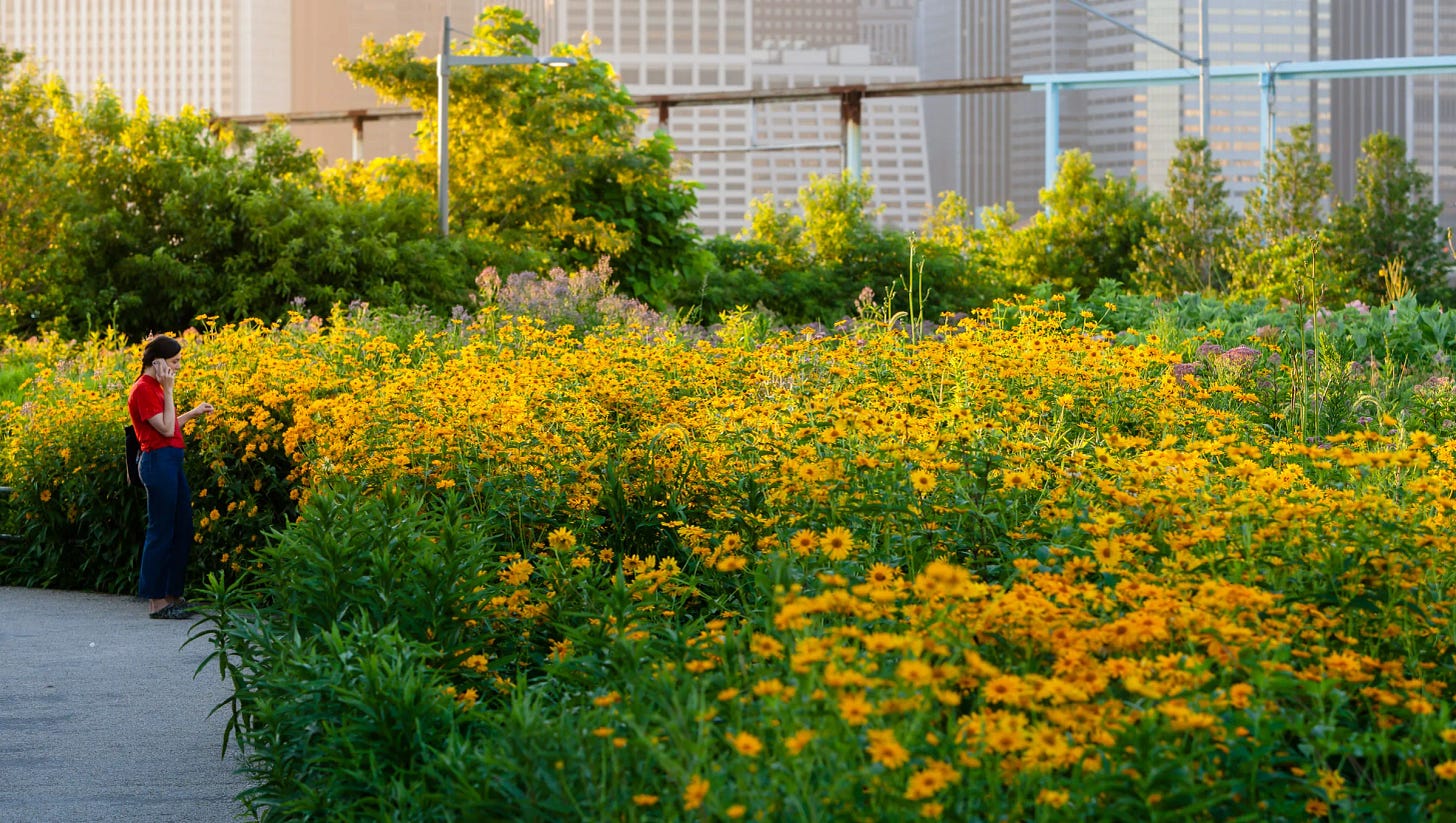
There is no better bang for the buck than good landscaping. Mayor Mamdani should build on the wild success of the High Line and Brooklyn Bridge Park by filling the city with gorgeous native plants in existing green spaces. It's a beautiful, quick, cost-effective way to improve quality of life for all.
Many of NYC's parks and public green spaces are in sad condition. Turning these spaces from eyesores into visual delights would be noticed by everyone. It's a tangible sign that the city is working to make their life better, and it makes a very real difference to the local ecosystem.
And it's not just a question of beauty, either. Abundant native plants can cool the air, clean up pollution, reduce flooding, and boost biodiversity.
The Peoples' Sauna
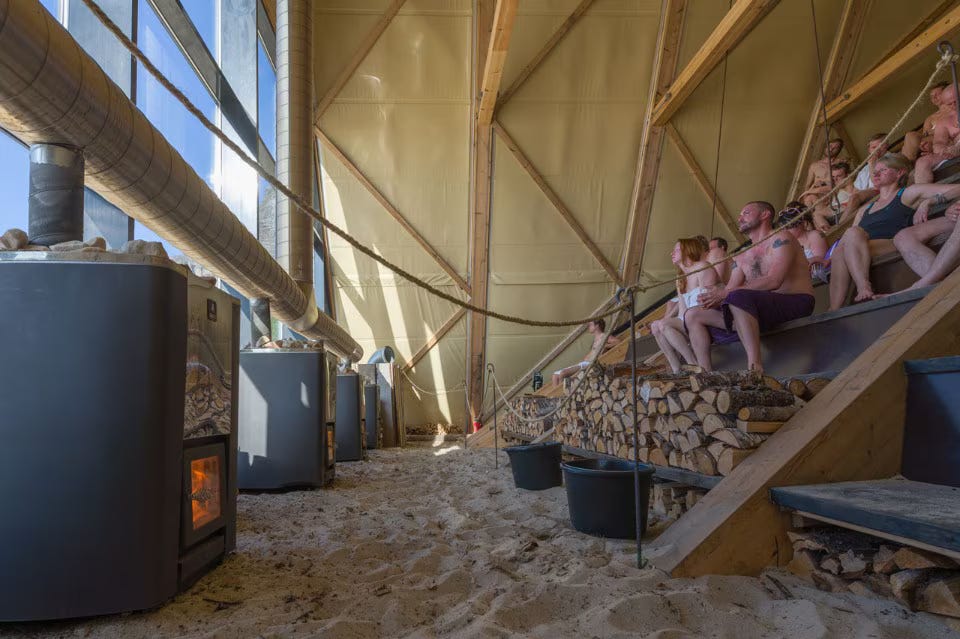
In keeping with the theme of not just defending public goods but expanding them, Mayor Mamdani should add winter functionality to the city's 64 public swimming facilities in the form of saunas. The swimming pools and associated infrastructure already exist, but they're only open 11 weeks per year. It's time the city made better use of these valuable resources.
Adding saunas to these facilities would not be complex or expensive, since they're already equipped with the means to support them. And public saunas would harken back to the era of luxurious public goods that feed not just the body but the spirit, too. The people deserve roses!
TheLastFarm writes about agroecology, eco-socialism and degrowth.
Subscribe to TheLastFarm on Substack